Rebuilding a Peugeot Reynolds 708 for Modern 11-Speed Riding
A sentimental 1990s steel frame, professionally realigned and refinished, then rebuilt as a modern and genuinely rideable classic.
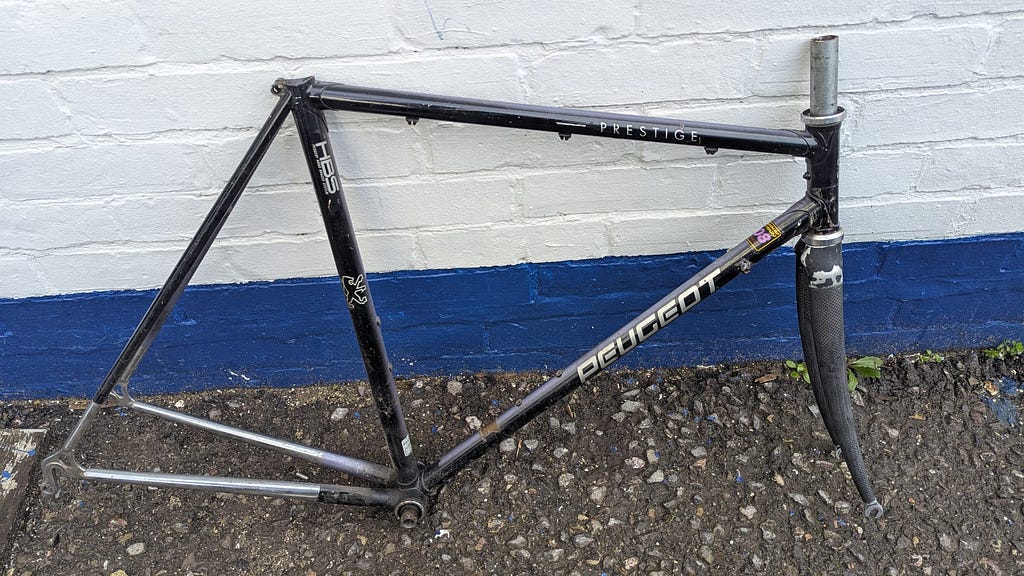
This project began with a 1990s Peugeot built from Reynolds 708 Classic tubing. My mum bought the bike for me; she died in 2013, so the frame has value that cannot be measured by its resale price.
The intention was not to build a museum piece. I wanted to preserve the slim steel frame and its Peugeot identity while making it dependable and enjoyable with a modern 11-speed drivetrain.
What Reynolds 708 actually was
Reynolds’ own historical tubing record lists 708 Classic from 1989 to 1992. It combined butted 531 main tubes—with eight flats formed in the butt section—with 753 rear stays.
That makes the frame an interesting period construction rather than simply “another steel bike”. It also made professional inspection and preparation more important than chasing a quick cosmetic restoration.
Frame preparation and alignment
Geoff Roberts in Poole handled the structural work and rebuild. The process included:
- stripping the bicycle completely;
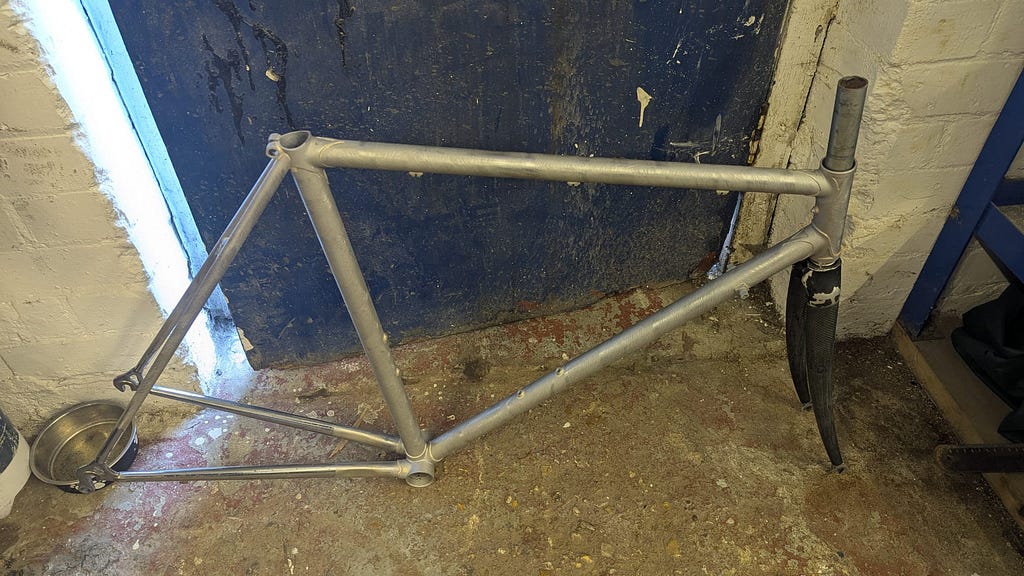
- shot-blasting the frame back to bare metal;
- checking and cleaning the threads;
- inspecting the frame and correcting its alignment;
- resetting the rear triangle to 130 mm over-locknut dimension for a modern road hub;
- checking the result before the frame went for paint.
Cold-setting and aligning an older steel rear triangle is framebuilder work. It needs symmetry at the dropouts and correct tracking, not merely enough force to make a wider wheel fit.
Using AI for the concept—not the engineering
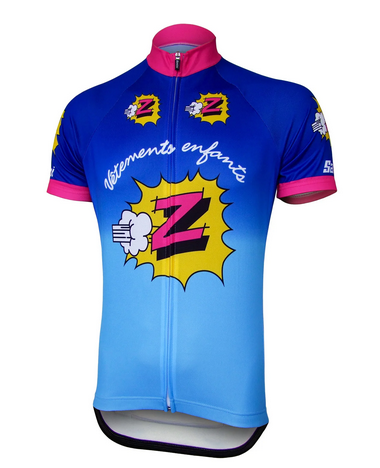
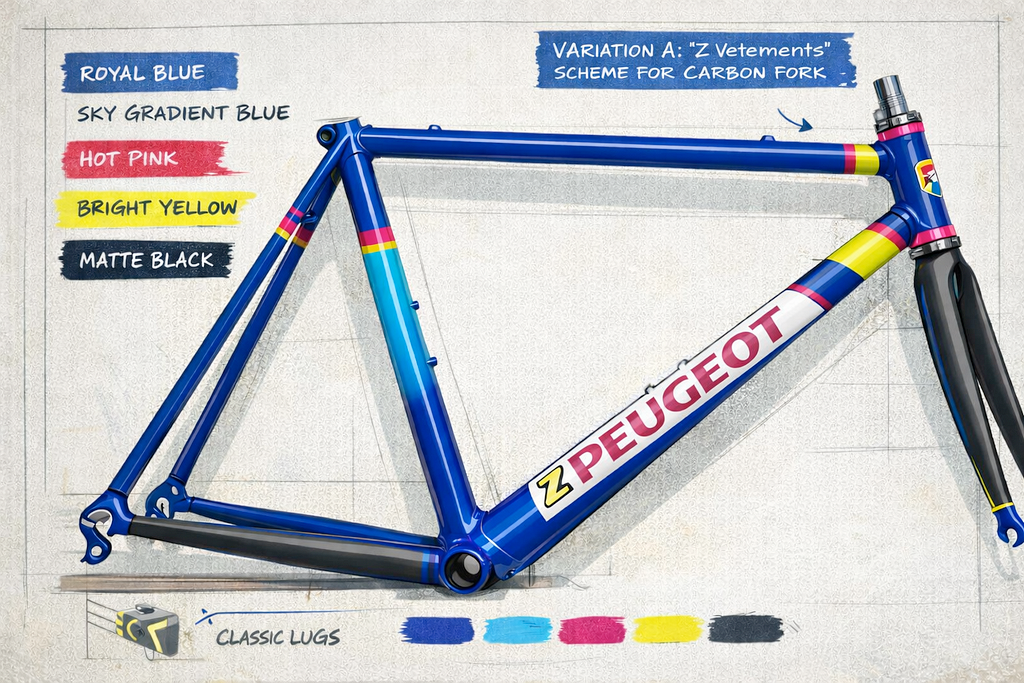
The colour direction came from the early-1990s Peugeot “Z” team kit: royal blue, sky blue, hot pink and bright yellow. I used an AI-generated concept to explore the blocking before the final scheme was developed with the people doing the work.
The image was a conversation aid, not a specification. Alignment, preparation, masking, paint compatibility and finish still depended on experienced humans.
Paint and finish
The respray was handled by one of Geoff’s trusted specialists. The royal-blue body retained the classic proportions of the frame, while the brighter bands referenced the team colours without attempting to create a replica.
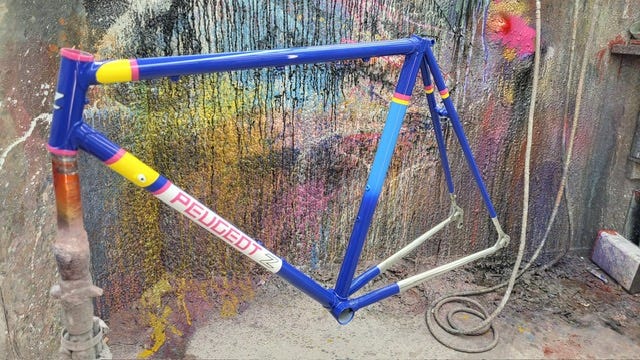
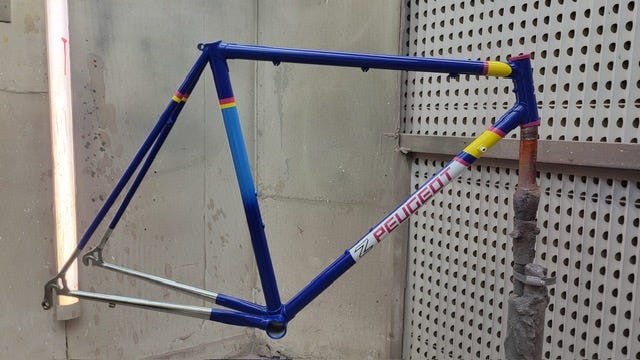
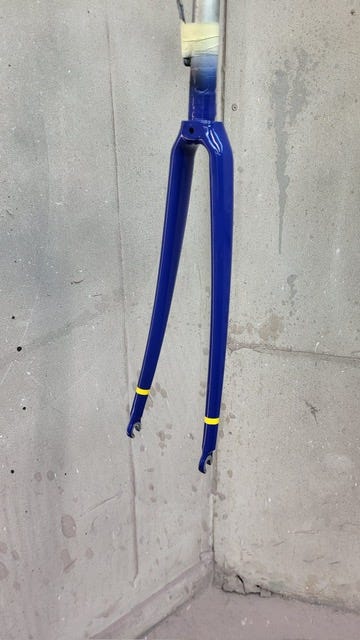
The fork was refinished in the main blue with yellow accents so it belonged visually to the rest of the frame.
A modern, serviceable build
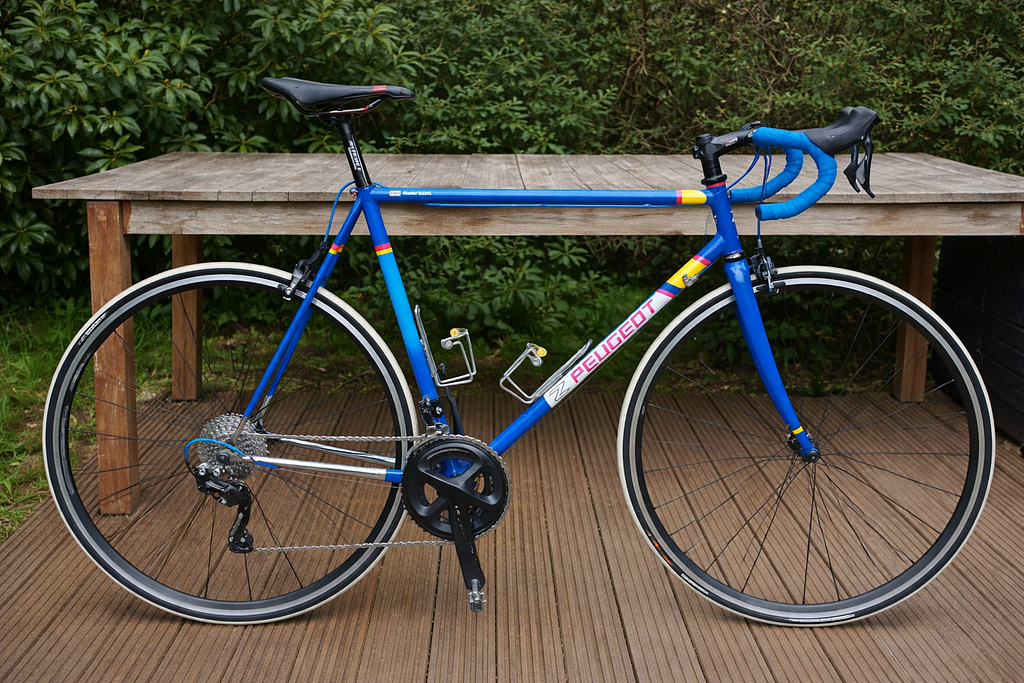
The component choices favoured reliability and availability over period correctness:
- Shimano RS300 wheels;
- an 11-speed Shimano 105 drivetrain;
- an Ultegra compact chainset;
- 50/34 chainrings;
- an 11–34 cassette;
- the original rim-brake format retained.
The compact chainset and wide-range cassette make more sense for the way the bike will now be ridden than a 1990s race ratio. The wheels are deliberately conventional and serviceable. The result respects the frame without requiring every consumable part to come from the same decade.
Why this approach worked
The project separated three goals that are often confused in a restoration:
- Preserve what matters: the frame, its material, proportions and personal history.
- Repair what time changed: alignment, finish, threads and rear spacing.
- Modernise what improves use: gearing, wheels and replaceable drivetrain parts.
That distinction produced a bicycle with a clear 1990s identity that does not have to be treated as fragile history. It is still a Reynolds 708 Peugeot—but it is also ready to be ridden.